EuroMillions vs Eurojackpot: A Guide to Europe’s Top Lottery Draws
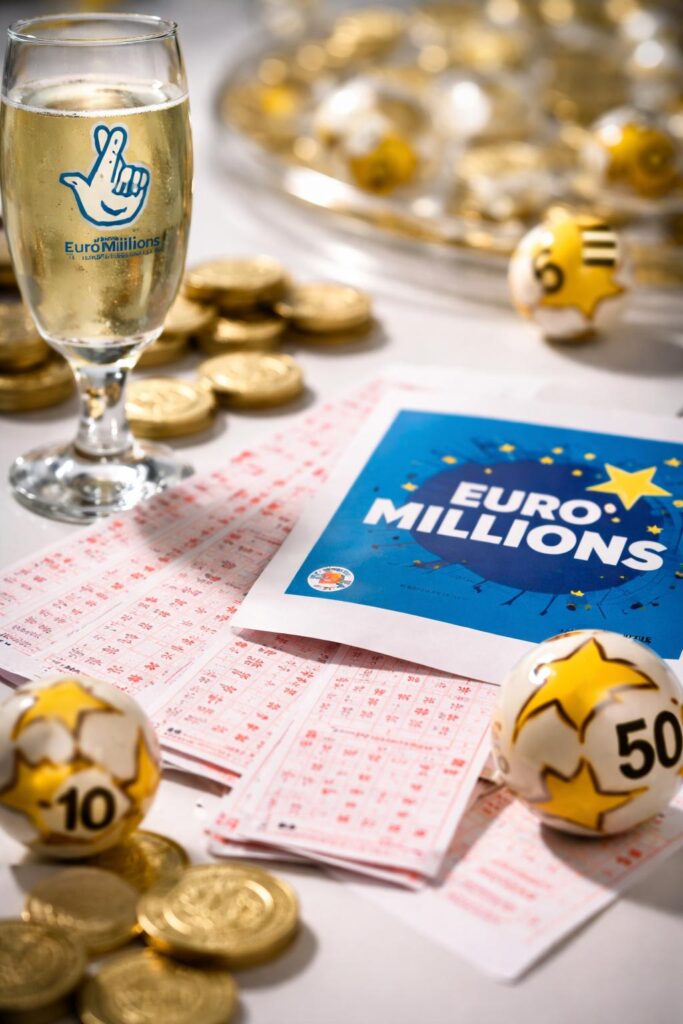
For lottery enthusiasts across the continent, the choice often comes down to two titanic draws: EuroMillions and Eurojackpot. Both offer life-altering, multi-million-euro jackpots that captivate players from Portugal to Finland. While they share a pan-European stage, their structures, odds, and prize philosophies differ significantly. This guide delves into the intricate details of both games, comparing their jackpot frequency, odds of winning, and overall accessibility to help international players understand which draw might align best with their aspirations.
Understanding the Game Mechanics
At first glance, EuroMillions and Eurojackpot appear similar, but the devil is in the gameplay details. EuroMillions requires players to select five main numbers from a pool of 1 to 50 and two Lucky Star numbers from a separate pool of 1 to 12. This dual-drum system is iconic to the game managed by the Française des Jeux, the National Lottery of France. Conversely, Eurojackpot operates with a different matrix. Players pick five numbers from 1 to 50 and two Euro Numbers from 1 to 10. This seemingly minor variation in the supplementary number pool has a profound impact on the overall odds and prize distribution. Both draws occur twice weekly, creating a regular rhythm of anticipation across participating countries.
The Role of National Lottery Providers
Neither EuroMillions nor Eurojackpot can be played directly through a central organization. Instead, they are accessed via a network of authorized national lottery operators. For instance, a player in the United Kingdom would purchase a EuroMillions ticket through Camelot, the operator of the UK National Lottery, while a German resident would enter Eurojackpot via Lotto.de, operated by Deutsche Lotto- und Totoblock. These providers act as the essential gateway, ensuring ticket sales are regulated and prizes are paid according to local laws. This decentralized model means that ticket prices can vary slightly, and certain promotional draws or special events may be specific to a particular country’s operator.
Jackpot Rolls and Draw Schedules
The draw schedules are a key part of each game’s identity. EuroMillions draws are held every Tuesday and Friday evening, with the results broadcast from Paris. Eurojackpot draws take place on Tuesday and Friday evenings as well, coordinated from Helsinki. The overlapping days create a thrilling midweek and weekend lottery cycle. Both games feature rollover mechanisms, where the jackpot increases if no player matches all required numbers. However, the rules governing these rollovers and the eventual jackpot caps differ, influencing the potential maximum prize and how often multi-million euro prizes are won.
Analyzing the Odds: Chances of Winning

The probability of winning any lottery prize is a fundamental consideration. Here, the structural differences between EuroMillions and Eurojackpot become critically important. The odds of securing the EuroMillions jackpot, by matching five main numbers and two Lucky Stars, stand at approximately 1 in 139 million. For Eurojackpot, the odds of hitting the top prize by matching five numbers and two Euro Numbers are about 1 in 95 million. This makes the Eurojackpot jackpot statistically easier to win. It is crucial to understand that these odds are for the top prize only; the likelihood of winning smaller, yet still significant, prizes varies between the games and often presents a more favorable probability for the player.
Prize Tier Structures Compared
Beyond the headline jackpot, the distribution of secondary prizes defines the player experience. EuroMillions is renowned for its extensive prize ladder, offering rewards for matching as few as two main numbers. The inclusion of the UK Millionaire Maker raffle in certain jurisdictions adds an extra layer of guaranteed millionaire creation alongside the main draw. Eurojackpot, while also offering multiple prize tiers, has a distinct focus on creating a high number of millionaires through its second prize tier, which often awards a seven-figure sum even when the jackpot is not won. This approach means that while the Eurojackpot jackpot might roll slightly less frequently, it consistently generates substantial wealth across its lower tiers.
Jackpot Size and Frequency
The allure of both games lies in their capacity to generate staggering top prizes. EuroMillions has historically been associated with some of the largest lottery jackpots ever seen in Europe, with its cap set at a colossal sum that can be reached after a series of rollovers. These events become international news, driving ticket sales across the continent. Eurojackpot, while its absolute maximum cap is lower, tends to hit its capped amount more frequently. This results in a different dynamic: EuroMillions offers the potential for record-shattering, once-in-a-lifetime prizes, whereas Eurojackpot provides more regular opportunities to win a jackpot that is still astronomically high, often reaching the tens of millions of euros on a predictable basis.
Accessibility for International Players
Geographic availability is a practical concern. EuroMillions has a broader reach, being available in a larger number of countries including the UK, France, Spain, Switzerland, Portugal, and others. Eurojackpot, while slightly more limited, covers a significant footprint including Germany, Finland, the Netherlands, Denmark, and several other European nations. For players outside these territories, accessing these games legally can be challenging. It is always imperative to participate only through officially licensed national lottery providers or their authorized retailers. The rise of digital platforms from these official operators has made purchasing tickets more convenient for residents within the participating countries, but cross-border play through unofficial channels is strongly discouraged and often illegal.
Strategic Considerations for Players
When choosing between EuroMillions and Eurojackpot, players should reflect on their personal goals. If the dream is to chase the absolute highest possible jackpot in Europe, patiently waiting for a EuroMillions super-rollover might be the preferred path. For those more interested in statistically better odds for a top-tier win, even if the potential maximum is slightly lower, Eurojackpot presents a compelling case. Engaging in lottery pools or syndicates, where legal and properly managed, can be a popular strategy for both games, allowing participants to pool resources and increase the number of lines played, thereby enhancing the overall chance of a return, though it also means sharing any prize.
Managing Expectations and Participation
A key strategy is financial discipline. Both games are forms of entertainment, and participants should only spend what they can comfortably afford to lose. It can be useful to set a fixed monthly budget for lottery play, treating it as a recreational expense rather than an investment strategy. Some players opt for systematic entries or random number generators, though it is worth remembering that every number combination has an equal mathematical chance. The most important tip is to always check tickets promptly and to understand the claim process in your specific country, as expiration dates and procedures vary between operators like Loterías y Apuestas del Estado in Spain or Österreichische Lotterien in Austria.
The Importance of Responsible Play
Participating in EuroMillions, Eurojackpot, or any lottery must always be done responsibly. These games are designed as a fun and exciting form of entertainment with the remote possibility of a major prize. It is vital to maintain perspective and never view lottery play as a solution to financial difficulties. Players are encouraged to set strict limits on their spending, to never chase losses, and to balance lottery participation with other leisure activities. If gambling stops being fun and starts to negatively impact your life, finances, or relationships, it is essential to seek help immediately. Resources and support are available through responsible gambling organizations in nearly every country where these lotteries are offered, and national lottery providers prominently feature these links and advice on their official platforms.

Written by