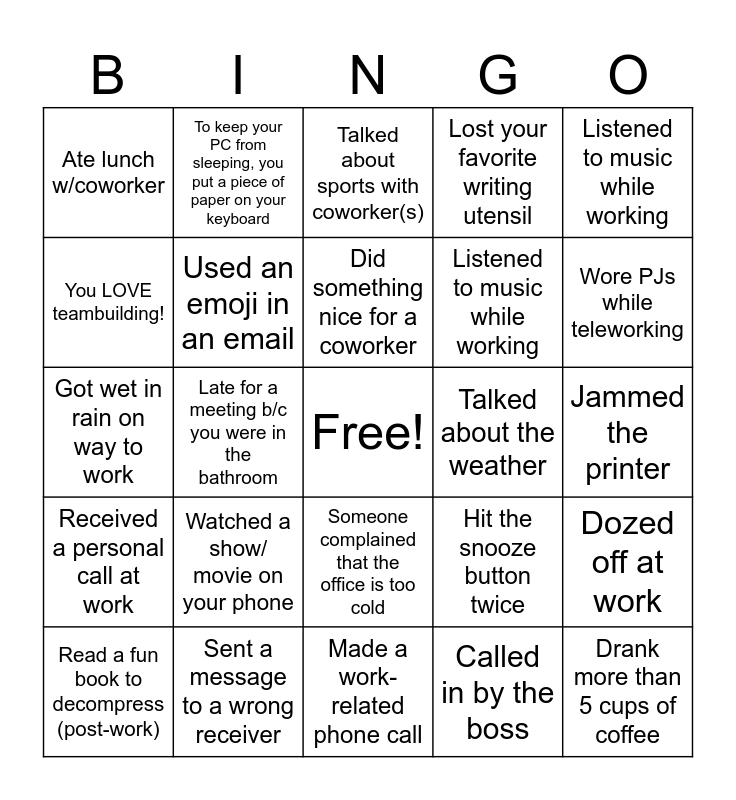
For international observers of gaming regulation, the Nordic model often presents a fascinating blend of strict control and pragmatic allowances for socially-oriented play. Norway, with its state monopoly on most gambling through Norsk Tipping, is a prime example. A recent development from the Norwegian Gaming Authority, Lotteritilsynet, has clarified the rules for a very specific and popular activity: small-scale, non-profit games within workplaces. This new guidance provides a clear threshold, setting the annual gross turnover limit at NOK 200,000 for such activities to operate without requiring a formal license. For HR managers, social committee members, and employees across Norway, this update demystifies the legal framework for organizing office pools, charity raffles, and the ever-popular workplace bingo nights, offering a blueprint for compliant, community-focused gaming.
Understanding the Non-Profit Gaming Landscape in Norway
Norway’s approach to gambling is fundamentally rooted in channeling all activity towards state-controlled entities, with the profits directed to socially beneficial causes. This principle extends to the private sphere, where non-profit gaming is permitted under strict conditions to prevent commercial exploitation and protect participants. The core idea is that any profit generated must be for a clear, non-commercial purpose—be it funding a staff party, donating to a chosen charity, or purchasing a collective gift for a colleague. Before the latest clarification, navigating the rules for small-scale events could be ambiguous, leading many workplaces to simply avoid such activities for fear of inadvertently breaching regulations. The establishment of the NOK 200,000 gross turnover threshold creates a much-needed safe harbor, distinguishing casual, internal social gaming from larger operations that fall under the purview of the monopoly.
The Role of Lotteritilsynet in Setting Boundaries
The Norwegian Gaming Authority, Lotteritilsynet, is the key regulatory body tasked with overseeing all gaming in the country. Its mandate includes enforcing the monopoly held by Norsk Tipping and Norsk Rikstoto while also delineating the spaces where non-profit gaming can legally occur. This latest guidance is a typical example of Lotteritilsynet’s work: providing precise, measurable parameters that allow for social and charitable gaming while safeguarding the principles of the Norwegian model. For context, similar regulatory bodies in other jurisdictions, like the UK Gambling Commission or the Malta Gaming Authority, focus largely on commercial licensing, whereas the Norwegian authority uniquely balances the prohibition of commercial alternatives with the facilitation of benign, small-scale community play.
Decoding the NOK 200,000 Gross Turnover Threshold

The central pillar of the new guidance is the specific financial limit. Gross turnover, in this context, refers to the total amount of money collected from participants over the course of a calendar year across all small-scale gaming activities organized by the workplace. It is crucial to understand that this is not the profit, but the total stakes. For example, if an office runs a monthly bingo game where 20 employees each contribute NOK 100 for cards, the monthly gross turnover would be NOK 2,000. Over a year, this would total NOK 24,000, well within the limit. The threshold is designed to encompass a reasonable amount of social gaming, such as occasional raffles for a holiday hamper, a Grand National sweepstake, or a fantasy football league for the Premier League season, without necessitating bureaucratic oversight.
What Constitutes a “Workplace” in This Context?
The guidance applies to entities that constitute a defined workplace. This typically means a single company, a public institution, a department within a larger organization, or a clearly defined professional community. The games must be organized for and by the employees, their immediate families, or other members closely associated with that specific workplace community. It does not permit cross-company gaming pools or open invitations to the general public. This ensures the activity remains insular, social, and low-risk. The spirit of the rule is to allow colleagues who know each other to engage in light-hearted gaming for shared benefits, mirroring the social dynamics of a friends’ sweepstake for events like the Eurovision Song Contest or the Wimbledon tennis championships.
Permissible Games and Practical Applications
Under this exemption, a variety of classic non-profit games are perfectly legal. Traditional bingo is a perennial favorite, often organized in lunchrooms or after work. Simple lotteries or raffles, where tickets are sold for a drawn prize, are another common application. Sports prediction pools, such as those for the FIFA World Cup or the annual Tour de France, where participants pay an entry fee to predict outcomes for a shared prize pool, also fall neatly within this framework. The key is that the organization must be internal, the prizes should be modest and appropriate (like a gift voucher, a bottle of wine, or a collective experience), and all financial details should be transparently recorded to demonstrate compliance with the turnover limit.
Actionable Strategies for Compliant Workplace Gaming
For those tasked with organizing these activities, a few best practices will ensure smooth and legal operation. First, appoint a dedicated, trustworthy organizer or a small committee. This person should maintain a simple ledger documenting every game, the date, the total amount collected (gross turnover), and the subsequent use of the funds. This provides an audit trail proving adherence to the NOK 200,000 annual cap. Second, communicate the purpose of each game clearly to all participants. Is the profit funding the summer barbecue or being donated to a local charity like the Norwegian Red Cross? Transparency builds trust and aligns with the non-profit requirement. Third, keep the stakes small and voluntary. Participation should be a fun choice, not a social pressure. Finally, consider using physical tickets or a transparent digital tool agreed upon by the group, avoiding any association with commercial gambling platforms.
Contrasting with International Workplace Gaming Cultures
The Norwegian framework presents a stark contrast to practices in other countries. In the United Kingdom or Australia, for instance, it is common for workplaces to use external platforms like Omaze or even national lottery syndicates without specific turnover limits, beyond general gambling laws. In the United States, office pools for events like the Super Bowl or March Madness are widespread and often exist in a legal grey area, rarely scrutinized unless they become large-scale commercial operations. Norway’s model is uniquely structured and deliberate, ensuring that even minor gaming activities are constitutionally non-profit and contained. This reflects a broader societal consensus on gambling, differing markedly from the more liberal, market-driven approaches seen in regions licensed by authorities such as the Gibraltar Regulatory Authority or Curacao’s gaming control board.
Navigating the Limits: When You Need Permission
It is vital for organizers to recognize when their activities might exceed the protected threshold. If the annual gross turnover from all workplace games is approaching or likely to surpass NOK 200,000, the activity is no longer considered “small-scale.” At this point, the organizers must apply to Lotteritilsynet for a license. This process is more stringent, requiring detailed plans, financial oversight, and a demonstration of a non-profit purpose. For the vast majority of typical workplaces, staying under the limit is straightforward with careful planning. The threshold is sufficiently high to allow for regular, engaging games but low enough to prevent the emergence of de facto commercial gaming operations within a company.
The Importance of Responsible Gambling in a Social Context
Even within the context of small-scale, non-profit workplace gaming, the principles of responsible gambling remain paramount. Organizers have a duty of care to their colleagues. This means ensuring games are conducted in a spirit of fun and socializing, not as a serious financial pursuit. Participation must always be voluntary, and no employee should ever feel pressured to join. It is advisable to avoid games that require frequent, high contributions or that might encourage chasing losses. The focus should remain on the community aspect and the shared goal, whether it’s a celebratory party or a charitable donation. Remember, gambling is never a solution to financial problems, and if gaming stops being fun, it’s time to stop. Resources and support are always available through organizations like Norsk Tipping’s responsible gambling initiatives, which provide guidance even for activities outside their direct product offerings.

Written by